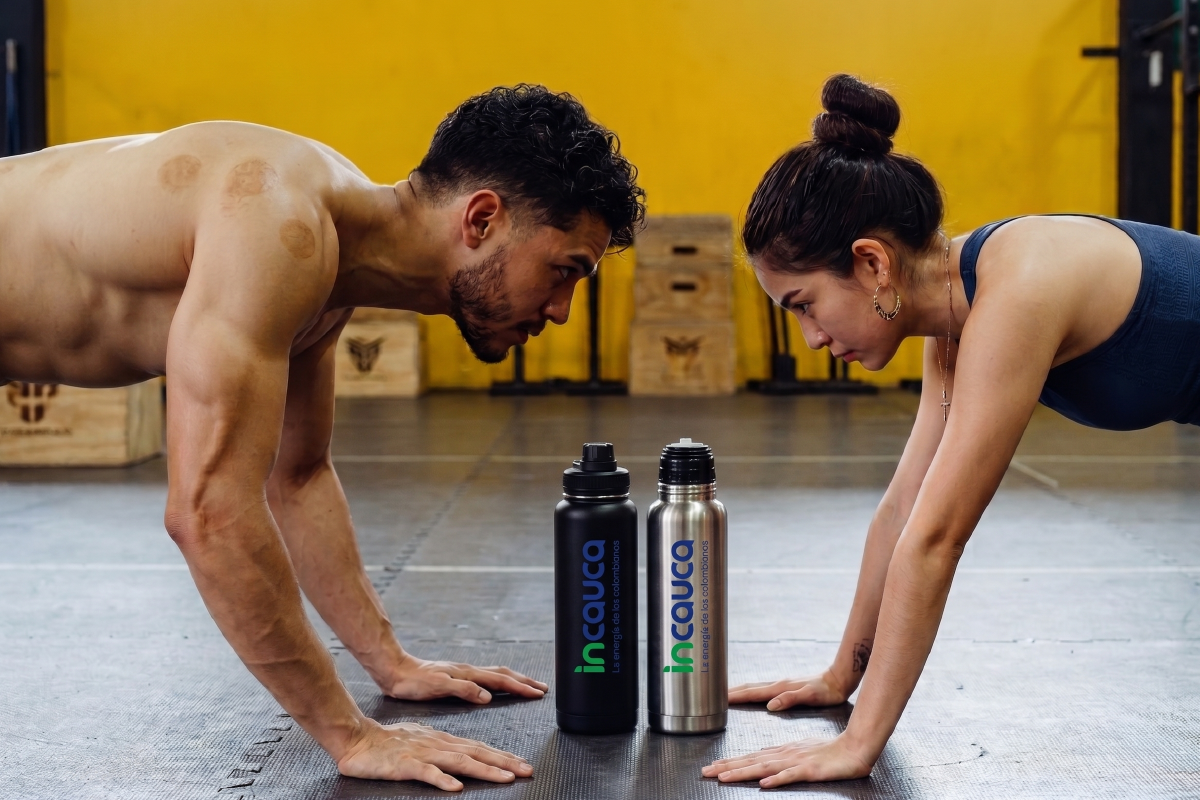



What if we humanized sugar and depersonalized overweight and obesity?

Body weight, a way of measuring the health of our species, is today an indicator of well-being, and perhaps even in our evolution as a society, it has been a way of comparing, of comparing oneself in terms of level of development and income level. “The fat person initially prevails in the ancient institution. He impresses, seduces… He embodies abundance by representing wealth in a world where hunger and precariousness reigned. During the Middle Ages, a doubt about the virtue of fatness emerges, even a conflict of image; it is not that the prestige of fatness suddenly disappears. On the contrary, a moral universe dwells more on the danger of excesses; it is a critique of behavior rather than of aesthetics or morbidity” (Vigarello, 2011). 


The prevalence of overweight and obesity among children aged 5 to 19 continues to increase worldwide, along with eating behavior developed in obesogenic environments that not only induce sedentary lifestyles but also increased exposure to digital information. However, it has not been possible to demonstrate the effect, the influence that food marketing may have on healthy choices among children and adolescents, based solely on exposure to images and activation patterns in the brain.


What has been established, however, is the positive influence of parents’ eating habits on children; especially in adolescents, brain activity in the visual regions (left lateral occipital cortex) when exposed to images, as this is a stage of autonomy among other sociocultural factors, has a stronger influence on adolescents’ choices (Sina, Boakye, Christianson, Ahrens, & Hebestreit, 2022). 


Health communication, where digital technologies have been on the rise, plays a key role in the delivery and exchange of information among individuals, communities, the health system, and public health in general; understanding people’s points of view and experiences can lead us to solid knowledge to propose better content and strategies that promote behavioral changes. In this context, the synthesis of qualitative evidence serves to build the best way to communicate when talking about health; this method may become the tool to be used by the World Health Organization -WHO in its guidelines on the use of digital technologies to strengthen health systems (Ryan & Hill, 2019). 


Precisely, the WHO estimates that by 2050 the number of people over 60 years of age could reach 2.1 billion, of whom 1.7 billion will be in low- and middle-income countries, among whom an increase in obesity, overweight, and non-communicable diseases has also been reported in recent decades (Popkin et al., 2021); that is why the United Nations has declared that in the decade from 2021 to 2030, efforts should be dedicated to healthy aging based on improving access to interventions essentially oriented toward lifestyle. It is known that moderate caloric restriction reduces the incidence of chronic diseases associated with age, is safe and effective in promoting cardiometabolic health, promotes the balance of immune system cells, the bioenergetic regulation of mitochondria, and the anti-inflammatory response. Another important factor is optimal hydration, which is measured through blood sodium levels, the level of exercise or physical activity that increases energy expenditure, social interaction especially for cognitive health, memory, and language, and some studies even propose never having smoked or consumed alcohol (The Lancet, 2023).


But while between 1990 and 2010 the efforts of low- and middle-income countries were focused on reducing malnutrition, neglecting obesity rates, today the WHO calls, especially in Latin America and South Africa, for national policies aimed at regulating the consumption of added sugar, sodium, and unhealthy fats, as well as reducing the consumption of “ultra-processed” foods, including high-energy-density sugary beverages and nutrient-poor packaged foods, due to the strong association reported between their consumption and the development of non-communicable diseases and weight gain (Popkin et al., 2021). 


But there is still one factor to integrate: climate change; thus, we are faced with a highly complex health scenario that the scientific community has defined as a GLOBAL SYNDEMIC, which includes 88% of the population with some sign of malnutrition—whether due to suboptimal nutrient intake or overconsumption of “unhealthy” foods—which shares common underlying factors that not only generate an impact on greenhouse gas production, but also induce sedentary lifestyles (Martorell, Ulloa, Gonzalez, Martinez-Sanguinetti, & Celis-Morales, 2020). 


The dietary guidelines of Israel and Brazil already consider actions under this triple-focus approach of the global syndemic: overweight/obesity, short stature/malnutrition, and environmental sustainability; the food industry is required to develop less processed products that provide some benefit in the management of body weight and chronic non-communicable diseases, while promoting the maximum expression of genetic height potential (height-for-age index) in middle- and low-income countries. 


Public health today is truly a highly complex health scenario, and it is there that our work from the private sector, as a producer of renewable energies—solar energy converted into calories, watts, and octanes—could humanize sugar and depersonalize overweight and obesity. It is not only about food decisions; it is about a sustainable production/consumption relationship. 


For this document, composed of 4 articles written under the methodology of a systematic and critical review of scientific literature, the topics and guidelines that have been defined over the last two years are taken into account, key to persuasively and ethically guiding consumers regarding sugar consumption: Emotions, Sweetness, Glycemia – Insulin, and Sport.


  1. Emotions. In recent years, special emphasis has been placed on diet as one of the modifiable factors for improving mental health; it is common that in severe mental disorders such as schizophrenia or bipolar disorder, and even Asperger syndrome and pervasive developmental disorders, people tend toward low vegetable consumption and high intake of saturated fats. A healthy diet can improve the prognosis of different psychiatric conditions; the impact of personality traits such as neuroticism, impulsivity, and sensitivity configures them as risk factors for obesity, while self-control is known to be a protective factor in body weight control. The identification of specific personality characteristics can be effective in preventive education and healthy lifestyle promotion programs; for example, it has been observed that a preference for sweet foods is associated with neuroticism, extraversion, and low empathy. Other studies report that sugar and sweet consumption occurs in individuals with alexithymia and hysteria, and a low sense of coherence (Esposito, Ceresa, & Buoli, 2021)


  1. Sweetness. Physiology is the analytical method through which the sensory stimuli we perceive through the senses are integrated with a specific effect, with a metabolic response (Wilk, Korytek, Pelczynska, Moszak, & Bogdanski, 2022). Seen this way, any sweetener, with a different caloric contribution, even Vital, stimulates the same response, which only differs in the intestine, where it discriminates the type of molecule associated with the flavor perceived on the tongue (sugar, erythritol, sucralose, or stevia). The sweetener goes from taste (tongue), without passing through smell (there are no volatile compounds that differentiate them), directly to the brain; there, it not only triggers an emotional response, but also activates signaling cascades that initially go to the pancreas (insulin production). Once it passes through the stomach and reaches the intestine, depending on the type of sweetener molecule, counterregulatory hormones of insulin known as the Incretin family are activated, which is where a change in the metabolic response is generated between sugars (from 1 monomeric unit to 9) and non-sugars (polyols, steviol glycosides, and synthetics)


  1. Glycemia / Insulin. Glucose metabolism and insulin sensitivity are today considered lines of research-intervention that represent risk factors in accelerated aging and non-communicable diseases associated with an unhealthy lifestyle. I consider this thematic block key to guiding the industry, those who use sugar as an ingredient in the substitution or reformulation of their products (Dai & Chau, 2017); more than for the consumer, in order not to reinforce the false trend of taking glucose measurements in healthy people, advising the industry on the technical resources of different ingredients that provide body and sweetness by activating counterregulatory hormones of insulin (Buranapin, Kosachunhanan, Waisayanand, Yokoi, & Tokuda, 2024), is a way of “depersonalizing obesity” while we humanize the function of added sugar.


  1. Sport. Skeletal muscle is “the largest organ” in the human body, if we start from the fact that it represents 40% of body mass. It provides physical structure, mobility, protection for the body’s vital organs, and helps regulate body temperature and basal metabolism (Jun, Robinson, Geetha, Brioderick, & Ramesh Babu, 2023). It also represents protein reserves. When the rate of protein breakdown exceeds the rate of renewal, for whatever reason (Western diets high in sodium and sugar, obesity, diabetes, Alzheimer’s, aging, malnutrition), muscle atrophy occurs, technically known as sarcopenia. Muscle begins to decline at 50 years of age and accelerates dramatically after 60, reaching a 50% decrease by age 80; this physiological process can be modulated according to the level of physical activity and differs between men and women. In general, it is the main ally in the search for metabolic balance of nutrients and especially glucose and insulin sensitivity (Jun, Robinson, Geetha, Brioderick, & Ramesh Babu, 2023)

 

Breathe & Sweeten

When breathing facilitates movement

Joseph Pilates


The philosophy of the training method proposed by Joseph Pilates is based on the “Body & Mind” concept; it is a comprehensive system of exercises built on 6 principles: Center—in English: CORE—concentration, control, precision, flow, and breathing. By applying these principles to a physical training routine, the nervous, myofascial, and skeletal systems have shown effective results in mobility and endurance, using isometric and isotonic contractions (concentric and eccentric), breathing, and with an emphasis on neuromuscular and fascial stimulation, with positive effects on cardiorespiratory capacity (Tarnas et al., 2024).

One of the ways to measure improvements in cardiorespiratory capacity is maximum oxygen consumption, which should increase, and this is achieved through vigorous exercise. Based on the principles of the Pilates method, positive effects have been described in the muscular strength used for breathing, balance, quality of life, and overall physical performance in healthy people or people with an illness, thanks to neuromuscular stimulation (Fernández-Rodríguez et al., 2019).

For its part, from neuroscience and psychology, changes in the respiratory system can help improve different alterations in digestion, the heart, mood, and addictive behaviors. Although breathing is an unconscious, automatic activity, we can take control when intensity changes, for example during exercise; or through the training achieved with meditation to integrate, to connect the body and mind. Moods such as fear and anxiety increase the respiratory rate, increasing oxygen uptake and increasing the availability of energy for alertness and survival, but in a dysregulated way (Weng et al., 2021); in contrast, in exercise where there is control and concentration, everything is beneficial, not only is more oxygen captured, but the amount of available energy from the body’s fat reserves also increases.

The ability to perceive and monitor subtle changes in bodily signals is known as interoception or proprioception; we are constantly receiving signals from the muscles, the skin, and the joints. Losing this brain capacity is a symptom of psychological dysfunction. For example, for an eating disorder, anorexia nervosa, treatment includes improving the ability to perceive and recognize the bodily sensations of one’s emotions (Moccia et al., 2025). 

Sweetening, YES… How much? Your body gives you the signal


After each large meal or one rich in calories and nutrients, the digestive system sends signals such as the feeling of fullness; others, like what many people describe as not being able to stop drinking liquid with every bite of solid food because they “feel stuck,” or even feeling “overwhelmed” by a very sweet dessert that causes satiety, are bodily expressions that are difficult to measure, but it is possible to recover the ability to feel them through the practice of conscious breathing. In Pilates practice, it is very common to feel that a muscle “burns” or, as a common expression says, that it is pushed so hard it reaches “failure”; it should be the same with sweetness, and the result is control over the amount of sugar the body needs to meet its need and increase the availability of caloric energy to move.

And the fact is that eating or exercising changes the regular, unconscious frequency of the way we breathe, because in both cases we need more oxygen, which is key to the work of the systems involved in digestion, just as it is to the work performed by muscles under the stimulus of load, strength, and power. 

How much and how to eat is the result of complex cognitive, emotional, and energetic interactions; this balance is achieved as we train the conscious relationship between body and mind. 

The consumption of sugar or oxygen, “energies for movement,” are hedonic experiences, the first associated with the sense of taste, the second with the happiness of feeling that we are aging beautifully, of preserving the ability to move freely and without pain as the years go by. For its part, learning to use sugar or to breathe involves the desire, craving, impulse to approach a reward. 

All nutrients, proteins, fats, and carbohydrates influence oxygen metabolism; for this reason, exercising breathing to achieve the optimal volume of oxygen is an efficient strategy to reduce the speed at which we oxidize (McKeown, 2015), the speed at which we age. The scientific literature is not conclusive about the importance of physical activity in weight loss and improvement in body composition, especially if an imbalance is generated between the low calories of a restrictive diet and the increase in energy expenditure through physical exercise, particularly in people with excess weight (Rayes et al., 2019). But there is abundant evidence regarding physical training and how it changes the automatic way we breathe and how the metabolic response is modulated in daily life.

Breathing, not to survive, but to connect


The benefits of the Pilates method are explained by 3 possible effects: 1. It strengthens the lumbopelvic region. 2. It increases flexibility and 3. Breathing with the ribs (Fernández-Rodríguez et al., 2019). It seems obvious, but perhaps it is not; the first induces more efficient movements with the arms and legs while increasing strength in the muscles with which we expel the air we have already used, CO2. Flexibility can be explained as an improvement in the mobility of muscles we stop using as we adopt poor posture, from remaining seated for so long, or from adapting to pain or muscle weakness. Regarding breathing, the technique helps increase lung capacity and the movement of the muscles that move the ribs, improving the flow of oxygen in the blood and all muscles.


In conclusion, breathing is a natural process without which we could not live; however, we also know that it is a vital mechanism that becomes sensitized and intensifies under different situations, and that we can improve perception through physical training. According to Nazareth Castellanos, recent studies have shown that the electrophysiological activity of the brain, perception, motor actions, and learning depend on the different phases of the respiratory cycle: inhaling, exhaling, or apnea (#Neuroscience @nazareth.castellanos. The bridge where butterflies live) (Nakamura, N. H.; Oku, Y.; Fukunaga, M., 2024). 


You understood it all if your breathing is no longer so automatic….. / and your way of sweetening is mindful.

The Art of Sweetening: A Vital Path

Consumers, Influencers, We All Sell Well-Being

The influence of third parties on the final decision to acquire a product or service is considered an initial stage of the consumption process; people seek information, whether commercial, public, or from others. Today’s consumer values communication that is more human, based on the emotional energy, interest, and time someone dedicates to sharing their personal lifestyle and, in doing so, accompanying others (Pulido & Ortegon, Analysis of the Use of Influencers in Marketing, 2023).


When it comes to creating value and satisfying people’s needs, it is necessary to develop strong relationships and promote not only persuasive communication between them, Human to Human – H2H, but also ensure that their process of innovation and change materializes in a food offering that strengthens decisions guided not only by taste and pleasure, but also by contributions to their well-being and good health (Pulido & Ortegon, Analysis of the Use of Influencers in Marketing, 2023).


INCAUCA has always sold energy; it began by selling solar energy transformed by sugarcane into glucose + fructose and converted into calories, food energy, sugar. Today, it produces energy in many forms, for different uses, but it has never left in the hands of others the responsibility of sweetening, of caring for the emotion that vitality brings, which we need to celebrate, to feel that we can live through bitter days and sour relationships with or without calories, without giving up on sweetening life. This is the best definition of ART; it needs no explanation or justification, it is inspiration, it is intention without displeasure, and the body perceives it through the senses. Incauca has humanized sugar, because there is nothing more human than the enjoyment of sweet taste and the emotions we express through it.


The relationship between sugars and health is complex. Over the past 50 years, the estimated consumption of sweeteners has increased; between 1977 and 1998, sugar went from 235 to 318 calories/day; by 1999, more than 69 kg of sugars and sweeteners had already been added per person, and since then, this has coincided with the rise in obesity, diabetes, and cardiovascular disease. However, although the amount of sugars consumed has declined in more recent years, obesity rates have continued to increase, which suggests that sugar is not the main driver of weight gain; rather, it is more often discussed as an epidemiological or generational transition, given that a child’s consumption and weight gain pattern is a predictor of their weight in adulthood. The low quality of food between the 1950s and 1980s, the transition between caloric sugars and non-caloric sweeteners, whose consumption grew by 5% in 7 years (2008–2015), and the prevalence of physical inactivity (close to 40%) in higher-income countries are relatively “new” topics in research and have been gaining strength (Gillespie, Kemps, White, & Bartlett, 2023).


A review carried out in association with the Colombian Cardiovascular Foundation in 2007 had already raised this scenario; based on data from the National Demographic and Health Survey, it already showed the importance of examining this possible correlation between low growth indicators in the population under 5 years of age in 1995, and overweight and obesity 10 years later in the group over 15 years of age in 2005 (Ref…); this review showed…. This perspective helps us humanize sugar and sweetness as something inherent to our biochemistry, and depersonalize obesity; it is not only about demonizing sugar by comparing it to addictive substances and manipulated decisions, because the growing excess weight in the population is a much more complex epidemic.


The liver, kidneys, intestine, brain, and muscle are the organs that produce the sugars we need when we are fasting.


We fast while we sleep or when we decide not to eat in response to the feeling of physical or physiological hunger. The liver, kidneys, and intestine release sugars into the blood to sustain “the system,” so it keeps working, so it “doesn’t crash”; meanwhile, the brain and muscle produce them as reserves for themselves and as raw material in emergencies (Shah & Wondisford, 2023), that is, when the intake of sugars through food is limited. This indicates that sugars such as fructose and glucose, which are the same ones that make up the sucrose obtained from sugarcane, are human energy, cellular energy. Of the amino acids that form protein structures, 18 out of 20 are used to produce glucose… even the protein we eat can end up converted into glucose (Shah & Wondisford, 2023), depending on our habits. For anyone who wants more evidence, more biological reasons, “let them chew on sugarcane.”


According to the current labeling standard, so that consumers can make more informed decisions, sugars are classified as Total and Added; carbohydrates in general belong to two large groups: those that raise blood glucose or quickly enter the bloodstream, and those that do not. In none of these cases is it about labeling this ingredient or nutrient naturally present in foods as “good or bad,” but rather about helping consumers develop criteria regarding what to choose and when to choose one type or another.


There are sweet foods that have not been sweetened or in which it has been “necessary” to increase their sweetness so that more people will consume them; a piece of watermelon is very sweet, it is high in total and glycemic sugars, that is, it is the closest thing to a natural water-based popsicle. But a watermelon popsicle can also be made with water, adding sugar, artificial flavors, and colors, providing the same calories. It is the consumer who decides whether to buy a fresh watermelon and freeze its pieces before eating, or whether to buy the watermelon popsicle brand they like the most. In both cases, blood sugar rises, the pancreas produces insulin, and it tastes good.


But sweetening with Erythritol + Stevia or Erythritol + Sucralose, the two alternatives offered by Incauca Vital, is another matter. Erythritol is a close cousin of sucrose, and is invisible to the pancreas; that is, it does not reach the blood and therefore does not require insulin, which is produced in the pancreas and of which we have a limited number of units throughout life. It is a natural polyol or sugar alcohol; we have always consumed it in fruits, and even our red blood cells are capable of producing it. In other words, it is a non-glycemic carbohydrate according to the nutritional labeling standard (Ministry of Health and Social Protection, 2021), because it gives us a sweet taste but does not raise blood glucose levels.


Stevia or Sucralose?


Both are sweeteners, non-caloric sweeteners, or sweet taste enhancers, and they also carry a front-of-package warning label. The consumer makes the decision based on their ability to distinguish a bitter aftertaste, which for some is unpleasant and for others may be indifferent. Their difference lies in relation to sugar, since they do not provide energy. That is why, on the Vital Path, they remain different, because they are combined with erythritol (a close cousin of sucrose) and not with other sugars such as maltodextrins (sisters of cane sucrose).  


By way of conclusion, despite our evolution as a species, nutrient availability determines survival, and our bodies adapt to long periods of famine as long as they can maintain adequate blood sugar levels. With industrialization and agricultural advances, much of humanity has never experienced malnutrition; however, diseases associated with caloric abundance represent a high cost for modern health systems (Shah & Wondisford, 2023). For this reason, persuading consumers that it is Vital to establish the right measure of sweet calories from sucrose, or the importance of being able to sweeten without calories, with erythritol, stevia, and sucralose, is the art and science behind the portfolio offered by Incauca. 


When we depersonalize obesity as the result of consumption decisions, we can change the perspective on its biological causes and the true challenge for those who have turned the need to sweeten people’s lives into an efficient and sustainable industry, and who today offer healthy options.

Sugar + Insulin + Exercise = Muscle

The muscle mass trend that is reviving interest in sugar


Insulin is a key hormone that allows our cells to use sugar; thanks to it, muscle increases its energy and water reserves, but it also promotes the formation of body fat in the body’s fat tissue and the liver. It is increasingly mentioned among consumers, not necessarily when diabetes, the directly related disease, is present, but among athletes, people with excess weight, and in relation to some skin changes, perhaps making it one of the most measured hormones in both healthy and sick people.


Thanks to technological advances—internet, AI—health care, culture, education, and social media, measuring insulin and blood glucose has become part of people’s everyday lives through watches and bracelets that can perceive, record, regulate, and even intervene to monitor indicators of health or disease. These devices are being used to guide physical activity, provide medication dose reminders, and report real-time information on normal or altered body functions so that users can have control over their health conditions (Lu et al., 2020).


While the advancement of these technological sensors creates many opportunities for the development of specialized systems for health care and precision medicine, there is discussion around their recreational use, which has become a trend in sports activities more than in clinical practice (Lu et al., 2020), generating more anxiety in those who use them when making food decisions, precisely because they do not have the ability to interpret that information in the context of their own needs and routines.


This is the case of blood glucose monitors that many athletes use to determine when and what they need to eat. This trend is based on the carbohydrate-insulin model and seeks to describe, on an individual scale, the effect of food on metabolism; the model states that excess calorie consumption is not the cause of excess body fat, but rather the distribution of those calories among different foods and, as a crucial factor, the glycemic load of each and every food that makes up our daily diet, as predictors of the amount of sugar in the blood after eating. Insulin is an anabolic hormone; that is, it serves to “build” protein and maintain an athlete’s muscle cells, or to “build” fat in the liver and other parts of the body, changing body composition (Ludwig et al., 2021)


If we think about the population-level effect of reduced-fat foods, for example, this explains the wide availability of high-glycemic-index foods, especially due to added sugars and modern processed carbohydrates (Ludwig et al., 2021), such as corn-derived maltodextrins and high-fructose syrups, which are used as fat substitutes to provide the texture and consistency consumers expect. The carbohydrate-insulin model interprets the obesity epidemic by including factors that go beyond just the amount of sugar, such as protein and fiber intake, fat composition, the order in which foods are eaten within the same meal, mealtimes, hormonal peaks and valleys better known as circadian cycles, level of physical activity, and the influence of environmental factors as well


The existence of probiotics is even known, microorganisms that live in our intestine and can influence body weight control; science has called the regulation of energy balance and glucose metabolism the gut-brain axis, in which, in addition to the pancreas and insulin, the liver and intestine are fundamental. The scope of the gut microbiota is studied in terms of controlling what we choose to eat and how much, the hedonic aspect, that is, flavors, colors, textures, and our ability to “manage” calories (Van Hul et al., 2024).


Smart Alerts vs. Proprioception and Self-Regulation


The fear that the healthy and health-conscious consumer has developed toward sugar is more the result of anxiety than self-knowledge; it is the consequence of demonizing a food instead of educating people about the right measure.


For example, a device that provides information on heart rate, distance traveled, and calories burned during aerobic exercise does not perceive the changes the body experiences during an intense Pilates session. Why? Because when the brain gives up control of the unconscious, survival-based breathing in which we remain, and we take control of the seconds in which we inhale, exhale, and remain in apnea or “without air,” that is the basis for managing the use of our energy reserves—body fat—with strength and movement. A device that measures these changes within our own body does not yet exist, and according to mindfulness, this is our capacity for proprioception and is key to emotional stability. 


Muscle Supercompensation


It is a natural phenomenon that demonstrates the mechanism muscle has to process carbohydrates when its energy reserves decrease, prioritizing the use of glucose obtained from food in the formation of muscle sugars, glycogen. In humans, carbohydrate intake after exercise increases glycogen formation in step with the increased release of insulin from the pancreas; this increase has two phases: an initial rapid phase, which does not depend on insulin but rather on the decrease in glycogen levels, and the following slow and prolonged phase, which does depend on insulin (Katz, 2022). 


If carbohydrate consumption continues for several days after exercise, the muscle exceeds its reserves, which is why it is called supercompensation (Katz, 2022); in other words, a person who has a consistent physical activity routine and has increased their muscle mass does not become “deconditioned” by stopping exercise and changing their diet during 15 days of vacation. They may have a supercompensated muscle that retains more water and also more sugars converted into glycogen, and they did not necessarily increase body fat. That is the magic of insulin and sugar in a body accustomed to strength exercise.


In conclusion, popularizing personalized health concepts through health devices is an inevitable advance and will come to play an important role in self-care; however, more research is needed in the development of future applications, making it essential to accompany and educate users so that this information can be properly interpreted, avoiding false alarms and additional sources of anxiety regarding the normal functioning of the body (Lu et al., 2020). This becomes especially important if the interpretation of the information quantified by these devices is framed within the proposal of the carbohydrate-insulin model, which proposes that by regulating consumption times and types of sugars (Ludwig et al., 2021), it is possible to reduce the effect of this hormone on the increase of fat reserves in the liver and body fat mass, because life must be sweetened in just the right measure.