Incauca and its commitment to renewable energy: A sustainable future

Incauca has taken a significant step toward a more sustainable future by implementing an innovative biomass-based energy generation system. This initiative, which uses sugarcane residues, not only reduces dependence on non-renewable energy sources, but also contributes to the reduction of greenhouse gas emissions.

1. Use of Agricultural Waste

The new power generation plant uses bagasse and other sugarcane residues to produce electricity, turning what was once considered waste into a valuable resource. This process not only optimizes the use of resources, but also improves the sustainability of the sugar mill’s operation.

2. Benefits for the Community

In addition to the environmental benefits, renewable energy generation allows Incauca to offer more affordable electricity rates to nearby communities. These savings translate into a positive impact on the local economy and the quality of life of its inhabitants.

3. Recognition in the International Arena

Thanks to its sustainability efforts, Incauca has been recognized internationally as a role model in the sugar industry. This recognition highlights the company’s commitment to innovation and its role in the fight against climate change.

As Incauca continues moving forward on its path toward sustainability, it reaffirms its commitment not only to sugar production, but also to creating a cleaner and more responsible energy future for generations to come.

Nutrition and Soccer

The importance of sugar and its interactions in the feeling of fatigue

By: Pilar Serrano Galvis. Nutritionist-Dietitian. Technical Department. FunctionalCorp. – Corporation for Functional Nutrition.

For adolescents aged 14 to 19, soccer is among the top 5 sports, in both men and women; however, the level of nutritional knowledge this population group has regarding the relationship between their diet and physical activity is limited and, in most cases, lacking rigor. Given that the rate of malnutrition due to overweight and obesity in secondary school has increased in recent years, teaching lessons on a healthy diet, physical activity, and life skills through sports programs represents an opportunity at this age, and young athletes see in these academic spaces lessons on how to improve sports performance, becoming more than just a routine class (Meng et al., 2018). 

Recently, sports have been divided according to the skills required; open-skill sports involve dynamic performance and changing environments, while closed-skill sports are predictable and take place in static environments (Yang et al., 2023). This classification arises from the need to integrate brain functions with the physical and psychological demands of each sport. For example, the hippocampus is the area of the brain where a positive relationship has been demonstrated between aerobic exercise, cognitive function—the strategy—and memory, and it determines locomotion capacity and bursts of speed; the hypothalamus regulates energy metabolism—performance—the cerebellum regulates motor control—movements—and so on, the close energy relationship between different parts of the brain and sports performance has been described, that is, a metabolic conversation between muscles and the brain (Takashi, Soya, & Soya, 2019).

When the brain becomes fatigued…

The brain is perhaps the main consumer of glucose in the body. It has been estimated that a human being with an appropriate weight for their height uses between 130 and 200 g of glucose per day; this is equivalent to 2/3 of the glucose circulating in the blood. Under stressful conditions, for example during an oral exam, glucose consumption can increase by 12%, and during deep sleep, the brain reduces this need by 40% (Peters, 2011). Between 1998 and 2004, the selfish brain theory was proposed as key to understanding neuroenergetic aspects based on the fact that the central nervous system prioritizes the regulation of the glucose availability it needs.

An intermittent high-intensity exercise such as soccer is associated with the consumption of muscle glycogen, reduction of circulating blood glucose levels, increased body temperature, and progressive loss of body water (Meeusen, Watson, & Dvorak, 2006). Scientific evidence from the last 20 years says that the central nervous system has a significant influence on the perception of bodily fatigue; in soccer matches there are periods of intense activity that depend on technique, tactics, and physical, physiological, and mental skills, that is, a fatigued soccer player loses concentration and may make mistakes in any or all of the skills required for their work.

Glycogen is a very important source of energy for the brain; it is the “sugar” form in animals, useful for many organs and tissues, and when muscle and liver reserves are depleted, hypoglycemia occurs (Matsui et al., 2011), even before the reserves available to neurons in nervous system tissues are depleted. But prolonged exercise also depletes brain glycogen levels and induces changes associated with the feeling of fatigue in a high-performance athlete. The benefits of supplementing a player with simple carbohydrates such as sugar, before, during, and after long and intense exercise, also contribute to maintaining stable glycemia levels for the brain, preserving functional and cognitive performance, reducing central fatigue, and prolonging endurance time, which is very important in a match of at least 90 minutes (Meeusen, Watson, & Dvorak, 2006) (Yang et al., 2023).

Cognitive performance is the mental action or process of acquiring knowledge and understanding through experience and feeling. Applied to sport, cognitive functions are frequently measured and include executive functions—the ability to execute—the ability to process spatial information, attention, and memory (Yang et al., 2023). 

In practice, the executive function of a soccer player consists of placing thought before action, mastering the challenges that arise, and maintaining concentration during periods of sensory overload, which is known as “central fatigue” and depends on the amount of glycogen available to the brain. It is widely known that sports drinks (based on sugars and replacement electrolytes) help improve performance and endurance, promoting not only hydration but also the energy from added sugars as an additional substrate to muscle glycogen; there are many studies aimed at understanding the regulation of energy supply, but we can fall into simplicity by assuming that ingesting sugars will improve executive performance. This should be the result of a sports evaluation of individual performance.

Hydration

The main constituent of living organisms, an essential requirement for life, is water. It has numerous physiological functions, creating an appropriate medium for biochemical reactions within and between cells, and for the different cellular and metabolic responses to stress. Its components, Hydrogen and Oxygen, exceed the amount of glucose, calcium, magnesium, and potassium, and it improves the functions of the cellular refinery, the mitochondrion, which generates all the energy necessary for biological processes, especially in the tissues that need it most, such as muscles and nerves, where insulin is also essential (Kharaeva et al., 2021). 

We can say, then, that as the practice of soccer is encouraged as a strategy to increase the level of physical activity among school-age students, a few hours can be dedicated to learning more about nutrition focused on sport and the importance of sugar as a nutrient that ensures not only sports performance, but also the cognitive capacity to compete, avoiding the feeling of fatigue and maintaining a balanced metabolic state for longer.

The Bonus

In older adults, the effect of physical activity on cognitive functions is well documented; it can delay their decline and brain aging. Functions such as memory, attention, and rapid processing, which are known as executive functions and are high-order cognitive processes for monitoring and managing multiple basic functions and problem-solving behavior. For example, adaptation to changes in scenario, updating, inhibition, attention control, planning, and verbal fluency (Dai, Chang, Huang, & Hung, 2013).

Bibliography

Meeusen, R., Watson, P., & Dvorak, J. (2006). The brain and fatigue: New opportunities for nutritional interventions? Journal of Sports Sciences.

Matsui, T., Soya, S., Okamoto , M., Ichitani, Y., Kawanaka, K., & Soya, H. (2011). Brain glycogen decreases during prolonged exercise. J Physiol , 3383 – 3393.

Yang, J., Han, Q., Liu, Q., Li, T., Shao, Y., Sui, X., & Wang, Q. (2023). Effects of carbohydrate drinks ingestion on executive function in athletes: a systematic review and meta-analysis. Front Psychol. Front Psychol. 

Dai , C.-T., Chang , Y.-K., Huang, C.-J., & Hung, T. M. (2013). Exercise mode and executive function in older adults: An ERP study of task-switching. Brain and Cognition.

Meng , Y., Manore , M. M., Schuna , J. M., Patton-Lopez, M. M., Branscum, A., & Wong, S. S. (2018). Promoting Healthy Diet, Physical Activity, and Life-Skills in High School Athletes: Results from the WAVE Ripples for Change Childhood Obesity Prevention Two-Year Intervention. Nutrients.

Takashi, M., Soya, M., & Soya , H. (2019). Endurance and Brain Glycogen: A Clue Toward Understanding Central Fatigue. Brain Glycogen Metabolism.

Peters, A. (2011). The selfish brain: Competition for energy resources. . Am J Human Biol.

Kharaeva, Z., Hokonova, T., Elmurzaeva, J., Dzamihova, I., Mayer, W., De Luca , C., . . . Korkina , L. (2021). Effects of Heavy Isotopes (2H1 and 18O16) Depleted Water Con-Sumption on Physical Recovery and Metabolic and Immunological Parameters of Healthy Volunteers under Regular Fitness Load. Sports (Basel).

Yang, J., Han, Q., Liu, Q., Li , T., Shao , Y., Sui, X., & Wang, Q. (2023). Effects of carbohydrate drinks ingestion on executive function in athletes: a systematic review and meta-analysis. Front. Psychol.

Yang , J., Han , Q., Liu , Q., Li , T., Shao, Y., Sui, X., & Wang, Q. (2023). Effects of carbohydrate drinks ingestion on executive function in athletes: a systematic review and meta-analysis. Front Psychol.


Flexible, Strong, and Balanced = Body Health

“Seat Hours”, Conscious Movement, Adrenaline  


Sedentary behavior is defined as any activity with low energy expenditure that we perform while awake; it includes sitting or lying down, and is considered the largest component of human movement patterns, which is detrimental to health and, in adults and older people, can account for between 5 and 11 hours/day (Pinto et al., 2023). It has become a subject of study over the past 20 years, aiming to help guide public health initiatives and clinical practice, moving beyond the message of “more exercise” toward more effective and comprehensive campaigns based on phrases like “sit less, move more, and exercise” (Pinto et al., 2023).


Scientific consensus is clear: reducing daily steps for just 14 days can lead to approximately 500 g of lean mass loss and a 7% increase in abdominal fat, even if total body fat does not visibly increase. After 20 days of sedentary behavior, body composition begins to change. Conversely, reducing sedentary behavior by at least 30 minutes per day over more than two weeks—for example, standing an extra 1.3 hours/day—may not alter weight or body measurements, but can still improve body fat percentage.


More sedentary behavior, increasing the number of “sitting hours/day,” reduces the total calories we need to function; it seems obvious and common sense, but when it comes to the amount of calories needed to “function normally” (breathe, think, blink, digest, etc.) and remain functional, all the sugar we consume adds up and increases the daily calories that will be stored as fat. In addition, if sitting hours increase (vs. hours standing, using stairs, or walking the dog), and we need less energy to function, appetite does not decrease (Pinto et al., 2023), and that is where problems begin with body fat produced by excess calories from sugars, fats, and food in general.


How does a sedentary body use sugar?


We could say that the scientific explanation is: the more hours spent sitting, the more the body becomes resistant to insulin; that is, sensitivity is lost, making insulin less functional for metabolism. Since less energy is needed to remain functional, the cells “lock” the door insulin uses, but the pancreas continues producing it in response to any olfactory, visual, or auditory stimulus, as we have already explained in other publications. It can be said, then, that the hours of the day we spend sitting, reclining, or lying down are a risk factor for developing glucose and sugar intolerance, incorrectly referred to as prediabetes, and also promote the formation of body fat, mainly from sugar.


However, many ways have been proposed to measure the impact of whether meals include carbohydrates, with or without free sugars, and their immediate effect on the body; in this sense, the perception of well-being is an indirect and subjective form that can be measured and thus converted into specific measurements. When it comes to measuring the effect of nutrients in meals (the ratio between proteins, fats, starches, and sugars) among sedentary people (more than 9 sitting hours/day) or those who take active breaks, in the 4h after eating, no difference was found in terms of learning or attention skills and blood circulation related to the composition of meals in the short term. However, active breaks improve the perception of sleep quality, mood, and reduced insulin levels. But perhaps most importantly, the composition of the diet does not have as much influence on the perception of well-being compared to taking active breaks—fewer sitting hours—understanding the perception of well-being as sleep quality, learning/attention, mood, and overall metabolic and circulatory health (Wanders et al., 2021)..   


Adrenaline… The survival hormone


In response to physical and emotional stress, adrenaline is released into the blood; it is responsible for activating the mechanisms that use the fat stored in the body (Zhang et al., 2022) to produce energy in the form of glucose, increasing blood sugar levels and giving us more available energy. It is one more hormone we need in order to function automatically or in emergencies, because it improves insulin sensitivity in the tissues without making the pancreas work harder; in other words, it regulates the glucose-insulin relationship because, by producing sugars from the body’s fat reserves, the cells know they do not come from food and use them differently. Adrenaline directly influences the muscle’s ability to absorb and process these sugars; therefore, exercise aimed at gaining muscle mass is a powerful way to stimulate the natural function of adrenaline (Yang, Li, Haller, Schatz, & Rong, 2022) and the hormonal regulation needed to maintain a healthy metabolic balance.


It is different to talk about sedentary behavior and physical inactivity. There are guidelines on the time and intensity we should dedicate to practicing a sport to know how many extra calories we are “burning”; however, it is possible to practice sports intensely and have sedentary behavior at the same time, because this refers to the time we remain sitting, lying down, or reclining, and there is little information available about the role this behavior plays, for example, an 8h/day office workday, in the predisposition to obesity and the risk of death (Bourdier, Simon, Bessesen, Blanc, & Bergouignan, 2023).


Consuming sugar means making the decision to move, to reduce “sitting hours” and combine the pleasure of sweetening with the pleasure of a flexible, strong, and stable body that uses all the energy we get from food. Reducing or interrupting sedentary behavior, even for a short time, improves blood sugar levels after a meal and the amount of insulin produced by the pancreas, and improves blood pressure levels and leg circulation as we age. If reducing sedentary behavior becomes a long-term habit, it helps control body weight, reduce waist circumference, body fat percentage, and blood sugar levels upon waking or during long periods of fasting, among other important effects (Pinto et al., 2023).


This is precision medicine, which uses mathematical models to explain diabetes and how everything from emotions to hormones and blood sugar requires a detailed view of metabolic balance, with the aim of delaying the onset of chronic diseases or, where applicable, developing more precise drugs (Yang, Li, Haller, Schatz, & Rong, 2022).


Incauca promotes community participation through its Citizen Advocacy School

  • The Transformative Leadership Forum, led by Incauca together with UAV and the Fundación Foro Nacional – Suroccidente, strengthened the collaborative working relationship between communities and institutions in northern Cauca.
  • The School of Civic Engagement and Leadership is advancing the training of its third cohort with a focus on strengthening young leaders and implementing local projects that directly impact their communities.

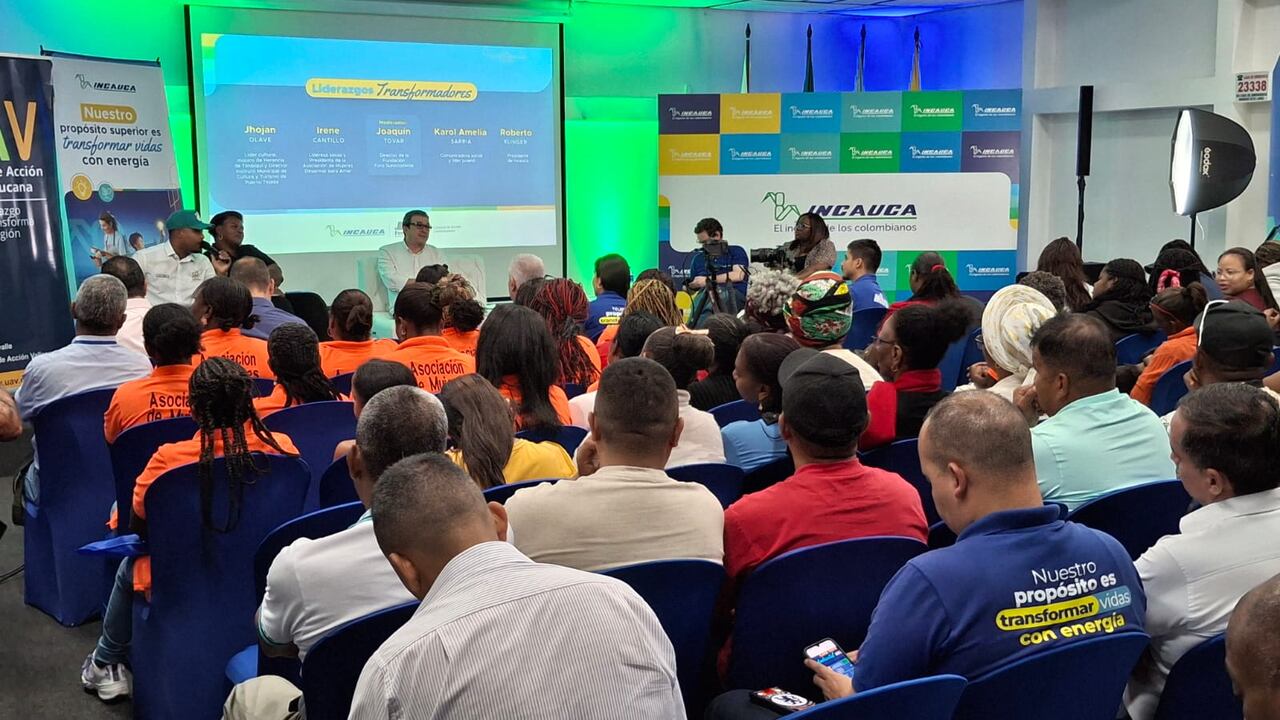
Cauca, June 2025 – With the aim of strengthening civic participation and consolidating community leadership, Incauca, in partnership with the Fundación Foro Nacional – Suroccidente and the Unidad de Acción Vallecaucana, held the “Transformative Leadership” Dialogue in Miranda. This meeting brought together communities, local authorities, and the private sector to strengthen democratic governance and promote active citizenship in northern Cauca.
The event featured the participation of Roberto Klinger, President of Incauca; Karol Amelia Sarria, youth leader; Irene Cantillo, social leader and President of the Asociación de Mujeres Desarmar para Amar; and Johan Olave, cultural leader, musician with Herencia de Timbiquí, and Director of the Municipal Institute of Culture and Tourism of Puerto Tejada, under the moderation of Joaquín Tovar, Director of the Fundación Foro Nacional – Suroccidente. With the attendance of 100 people and a live broadcast through Incauca’s social media channels, the event provided a space to discuss leadership as a driver of transformation and the role of education in strengthening capacities to influence change from within the territories.

Leadership with Purpose: the School of Civic Engagement and Leadership
This event also served as the official launch of the third cohort of the School of Civic Engagement and Leadership, a program that in its first two editions has certified 80 leaders and has promoted eight social projects that have directly benefited more than 500 people in key municipalities such as Miranda, Padilla, Puerto Tejada, Villa Rica, and Corinto.
With a clear vision toward the future, this third cohort brings together 30 young leaders involved in formal representation spaces, particularly within the framework of the Youth Council elections to be held in October 2025. During the program, participants are receiving comprehensive training on essential topics such as civic participation, social oversight, environmental sustainability, leadership, negotiation, gender equity, and self-care.
“At Incauca, we understand that real change begins when communities gain the tools they need to influence their environment. This project is a clear demonstration of our commitment to developing leaders who are not only prepared to face the challenges of the present but are also determined to create a positive impact in their territories,” said Roberto Klinger, President of Incauca
Strategic alliances for effective governance
Thanks to alliances with various social and community actors, the School has proven to be an effective platform for promoting leadership and strengthening local capacities. With the third cohort, the goal is to scale the impact achieved, developing youth leadership committed to implementing transformative projects that address the real needs of their communities.
“Each step toward citizen empowerment is an important advance in building a more just and participatory region. The tools provided to local leaders not only strengthen their voice but also open pathways for their ideas to become actions that improve life in their communities. We are seeing key results, driven by people with a real commitment to their territory,” emphasized Lina María Orozco, from the Unidad de Acción Vallecaucana.
“It is essential that our communities have the necessary tools to take an active role in building their future. These types of initiatives are a fundamental step in the formation of leaders committed to social transformation. By strengthening citizen participation, we are not only generating impact in the region but also empowering people to be protagonists of their own development,” stated Joaquín Tovar, Director of the Foro Nacional – Suroccidente.
A strong commitment to the future of Cauca
In addition to its educational focus, the program has begun to strengthen spaces for dialogue and cooperation among community, social, and institutional actors. These connections help consolidate favorable environments for civic engagement, where the ideas of leaders become collective proposals that can influence local development. Within this framework, the aim is to promote high-impact actions that translate the School’s learnings into concrete transformations in the territories.
“The most powerful aspect of this process is that it not only trains leaders but also activates communities. Seeing how bridges are built between people, institutions, and the private sector is a clear sign that the future of Cauca is being shaped from the territory, with the people as protagonists,” said Adith Lara, program beneficiary.
The commitment of Incauca and its partners reinforces a strategic dedication to building more democratic and sustainable territories, where citizen participation is the driving force for social and environmental development. This joint effort demonstrates that change begins when investment is made in people and their capacities to transform their reality.
_________________________________________________________

About Incauca
Incauca, with 61 years in the market, is an agroindustrial company dedicated to developing products and services derived from sugarcane. It currently has four plants: sugar, alcohol, energy cogeneration, and organic fertilizer. Located in the municipality of Miranda, Cauca.
Its higher purpose is to transform lives with energy, creating an environment of trust, loyalty, inclusion, respect, and transparency, with the aim of being co-responsible in economic, social, and environmental development, through sustainable practices that promote the responsible and balanced use of its products
About Incauca: https://www.incauca.com/es/

Incauca drives sustainable development with growth in exports, CLEAN ENERGY COGENERATION, and social and environmental investment.

  • The company invested 23,368 million in social programs and environmental initiatives.
  • The company’s exports grew by 8%, reaching 26 countries, while its renewable energy cogeneration process contributed 166,878 MWh to the national electric grid.

Cauca, May 2025. Incauca presented its most recent Sustainability Report highlighting its operational, environmental, and social results. The company, a benchmark in the sugarcane agroindustry, continued consolidating its circular economy model and strengthening its role as a key player in Colombia’s territorial, environmental, and energy development.
Sustainability is one of the fundamental pillars of Incauca’s corporate strategy, reflected in its circular economy model and results aimed at an integral and responsible operation. In 2024, the company produced 5,165,733 quintals of sugar (+2%), 64,630 m³ of fuel alcohol (+17%), and processed more than 3.2 million tons of sugarcane (+6% compared to 2023). These advances occurred alongside its management of 94% waste utilization, transforming by-products such as vinasse, filter cake, and bagasse into inputs for fertilizers, energy generation, or composting.
On the energy front, since 2023 Incauca has established itself as the largest energy cogenerator in the country. In the last year, it produced 337,993 MWh, of which 166,878 MWh were supplied to the National Interconnected System, thus contributing to service continuity and mitigating the impact of reduced reservoir levels in hydroelectric generation; all of this using 865,604 tons of bagasse as biofuel, significantly reducing CO2e emissions compared to traditional thermal models.

At the commercial level, Incauca generated sales of 1.19 trillion pesos, of which 79.3% was sold in the domestic market and 20.7% in international markets. With a presence in more than 26 countries, its top 5 export destinations are the United States, Chile, Haiti, Belgium, and Peru.

Regarding water consumption at the plant, in 2024 Incauca installed meters that have facilitated monitoring of goals and indicators, enabling the identification of leaks and losses, as well as continuous improvement across different processes; this has significantly contributed to the efficient use and saving of water, with a reduction of 21.7% and 8.7% for sugar and alcohol production, respectively, compared to 2023. In addition, more than 18 billion pesos were invested in environmental management, including the restoration of 122.4 hectares and the planting of over 6,870 trees.
In its social dimension, Incauca allocated 5,344 million pesos to social programs that directly benefited 6,470 people in over 80 communities. Projects such as Lo Mejor de Nuestra Tierra, implemented in the municipality of Miranda with the Nasa indigenous community, reached a production of 78.3 tons of blackberries (+122% compared to 2023) and a 149% increase in the income of the beneficiary families. This model was recognized with the Xposible award from Colsubsidio.
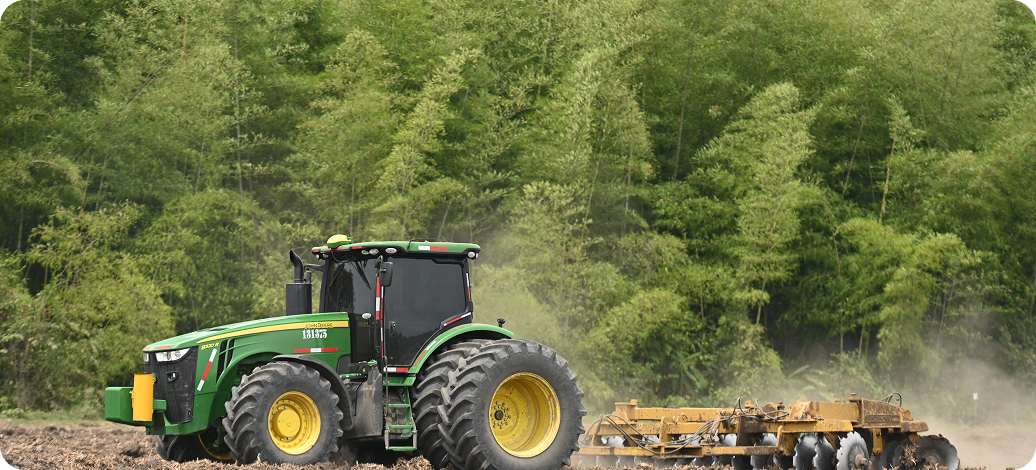
Another notable program was the Mujeres Cosechando Futuro project, which in 2024 consolidated the participation of 16 rural women as heavy machinery operators. This initiative promotes equity, reduces gender gaps, and fosters the creation of female role models in a historically male-dominated sector. Additionally, Incauca launched the female team of Incauca Fútbol Club, integrating 30 girls into a sports and personal development training program.
Incauca also formulated and implemented its human rights policy, developing an action plan with monitoring and evaluation mechanisms to prevent potential impacts. In addition, progress was made in strengthening inclusive suppliers through a successful pilot that involved 35 rural wheelbarrow operators as providers of cane leaf lifting and transport services, recovering more than 9,257 tons of biomass.
In terms of reputation, Incauca was recognized for the second consecutive time as the third-best company in the agroindustrial sector in the Merco ESG Responsibility 2024 ranking, reflecting the company’s performance and perception in environmental, social, and governance matters.
“At Incauca, we believe that transforming with energy means advancing with purpose. Our commitment to regional development, environmental sustainability, and social well-being is at the heart of everything we do,” stated Angélica Quiroga, the company’s Sustainability Director.
The results of the past year reflect a tangible transformation for Incauca, where each figure carries a systemic vision that links economic value with social, human, and environmental progress.

_________________________________________________________
About Incauca  
Incauca, with 61 years in the market, is an agroindustrial company dedicated to developing products and services derived from sugarcane. It currently operates four plants: sugar, alcohol, energy cogeneration, and organic fertilizer. Located in the municipality of Miranda, Cauca.
Its higher purpose is to transform lives with energy, creating an environment of trust, loyalty, inclusion, respect, and transparency, with the aim of being co-responsible in economic, social, and environmental development, through sustainable practices that encourage the responsible and balanced use of its products
about Incauca: https://www.incauca.com/es/

Incauca and SENA promote the labor future of young people with quality technical training


  • Thanks to the joint work between Incauca and SENA, 44 young people from the municipalities of Jamundí, Padilla, Puerto Tejada, and Miranda have access to quality training and achieve successful integration into the workforce.
  • Five of the graduates are already part of the Incauca team, working in areas such as sugar packaging, mills, and sugarcane yards.

Cauca, March 2025 – Technical education continues to transform lives in the southwest of the country. Thanks to the partnership between Incauca and SENA, 44 young people from the municipalities of Jamundí, Miranda, Puerto Tejada, and Padilla successfully completed their training in administrative management and industrial mechanics.
For six months, the participants received high-level theoretical training and completed a practical phase at Incauca, where they applied their knowledge in a real work environment. As a result, five young people were directly hired by the company in areas such as sugar packaging, mills, and sugarcane fields.
This program not only provides technical knowledge but also reinforces essential skills such as communication, teamwork, and adaptability, which are key to professional success.
“Each young person who participates in this program is a story of transformation in progress. More than just training, we provide them with tools to build their own future and that of their communities. At Incauca, we believe in education as the energy that drives development and creates real change; that is why we will continue investing in initiatives that foster new opportunities and strengthen the progress of our region,” stated Angélica Quiroga, Sustainability Director of Incauca.
For many of the participants, this program represents a concrete opportunity to improve their quality of life.
“This program changed the way I see the future. Today I feel prepared, with the tools and experience to take advantage of new opportunities. Now I know I can build a better path for myself and my community,” said Víctor Manuel Bedoya, beneficiary of the second cohort of SENA and Incauca Scholarships.
A model that invests in regional development
The success of this second cohort reaffirms Incauca’s commitment to education as a pillar of sustainable development.
«At Incauca, we will continue investing in education as a driver of transformation. Our commitment is to expand this program and keep creating concrete opportunities for the youth in our area of influence,» emphasized Quiroga.
With this graduation, Incauca and SENA strengthen their investment in local talent, opening new doors for future professionals seeking to build a future with greater opportunities.
About Incauca  
Incauca, with 61 years in the market, is an agroindustrial company dedicated to developing products and services derived from sugarcane. It currently has four plants: sugar, alcohol, energy cogeneration, and organic fertilizer. Located in the municipality of Miranda, Cauca.
Its higher purpose is to transform lives with energy, creating an environment of trust, loyalty, inclusion, respect, and transparency, with the aim of being co-responsible in economic, social, and environmental development, through sustainable practices that promote the responsible and balanced use of its products. https://www.incauca.com/es/

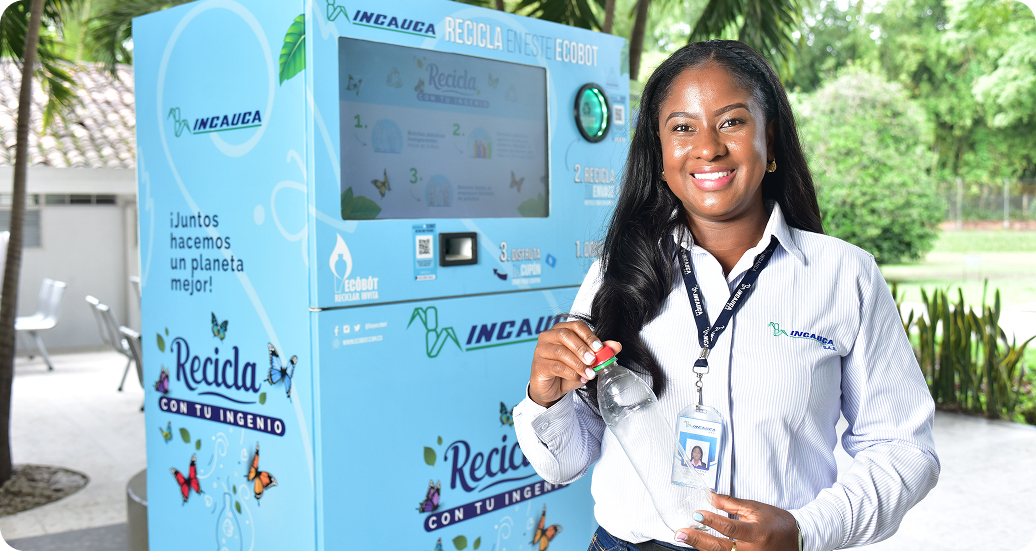
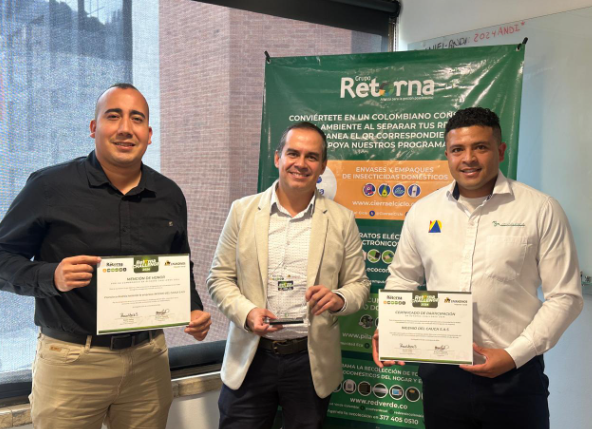
Incauca has been recognized with first place in the Retorna Challenge 2024

  • Photo provided by Incauca: in the image are Francisco Isaza, Jonathan David Berrio, and Luis Fernando Rendón from the Incauca team.


Cauca, December 2024 – Incauca has achieved first place in the Retorna Challenge 2024, an initiative of the Asociación Grupo Retorna, supported by Uniandinos Impacto Social. This program recognizes companies that lead sustainable post-consumer waste management, highlighting their commitment to the circular economy and environmental responsibility in Colombia, in line with Extended Producer Responsibility (EPR) and the National Circular Economy Strategy (ENEC).
During the award ceremony in Bogotá, Incauca received the accolade and, as part of this award, will participate in an educational session for its employees, organized by the Grupo Retorna team. This activity aims to strengthen the company’s commitment to sustainability and foster a circular economy culture among its team.
«This recognition reaffirms our purpose of transforming lives with energy. At Incauca, we seek to generate a positive impact at every stage of our operations, and participating in the Retorna Challenge 2024 allowed us to demonstrate that waste can become an opportunity for the environment and communities,» said Angélica Quiroga, Sustainability Director at Incauca.
Between June and October, Incauca participated by producing three videos that documented its circular economy progress, highlighting its waste management practices and the risks of improper disposal, while reaffirming its goal of achieving a 95% utilization of generated waste, including recyclable, special, post-consumer, organic, and hazardous materials.
With this achievement, Incauca reaffirms its commitment to sustainability, demonstrating leadership in sustainable practices aligned with creating a positive impact on the communities in its areas of influence and the environment.
_________________________________________________________
About Incauca
Incauca, with 61 years in the market, is an agroindustrial company dedicated to developing products and services derived from sugarcane. It currently has four plants: sugar, alcohol, energy cogeneration, and organic fertilizer. Located in the municipality of Miranda, Cauca.
Its higher purpose is to transform lives with energy, creating an environment of trust, loyalty, inclusion, respect, and transparency, with the aim of being co-responsible in economic, social, and environmental development through sustainable practices that promote the responsible and balanced use of its products.
About Incauca: https://www.incauca.com/es/