
At Incauca, we promote
inclusion
Support for entrepreneurship, transforming lives and communities.


The Best of Our Land: Kwe'xs Kiwe Ewa
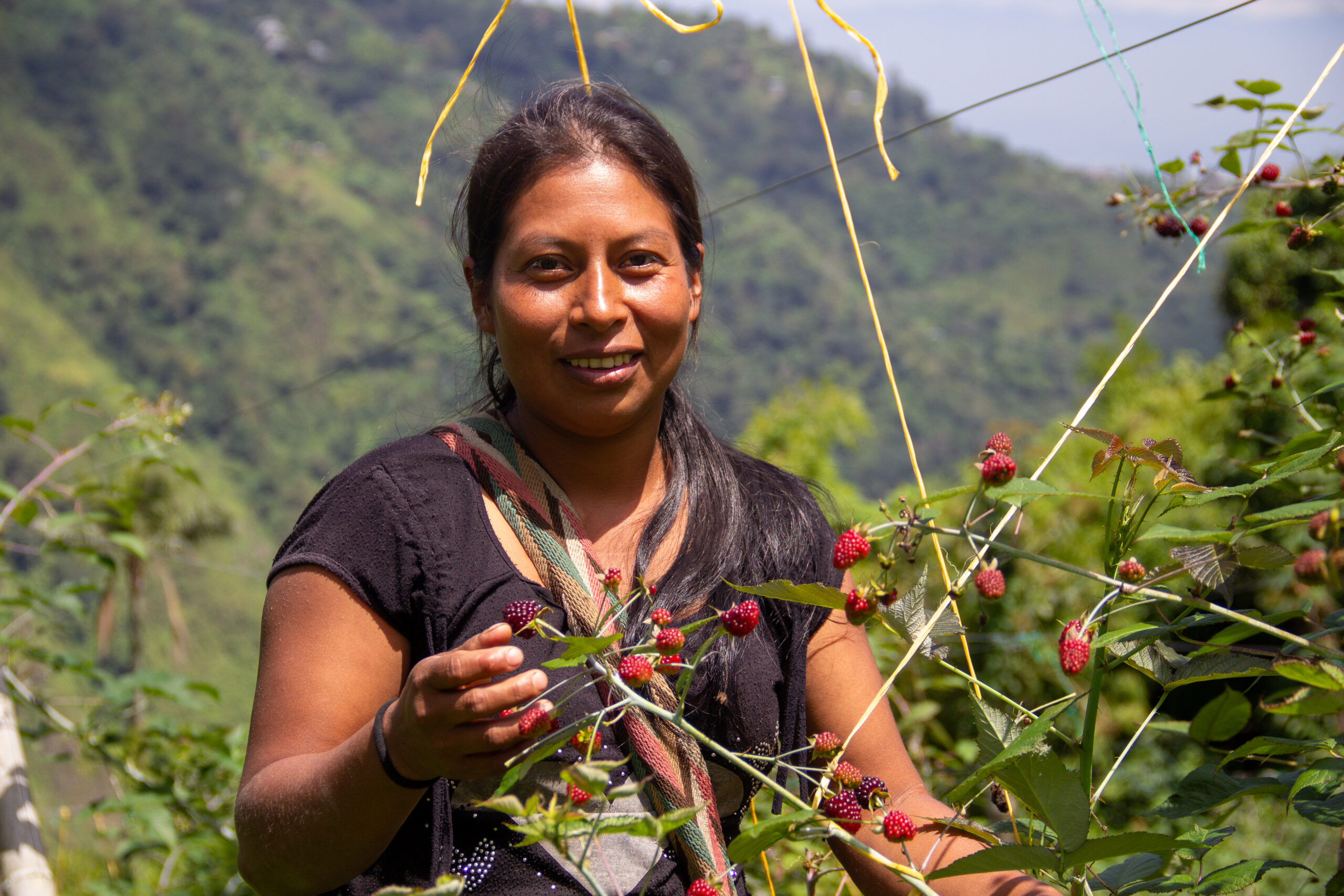
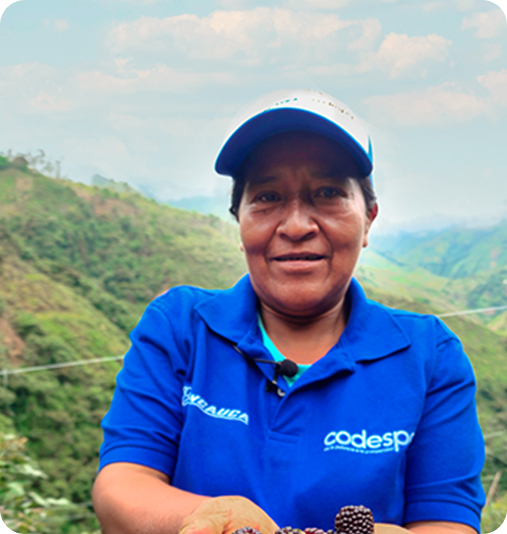
Thanks to this project, 200 people and 50 families from the Nasa indigenous community, from the La Cilia or La Calera reservation, are in the process of replacing illicit crops with blackberries, promoting their commercialization for the production of Hit soft drinks by Postobón. It is a high-impact initiative because it not only promotes the economic development of the area but also contributes to positive social transformation and the building of territorial peace.
Invertimos y creemos en nuestros colaboradores
Nombre de la actividad
Invertimos y creemos en nuestros colaboradores

Nombre de la actividad
Invertimos y creemos en nuestros colaboradores
Nombre de la actividad
Invertimos y creemos en nuestros colaboradores
Nombre de la actividad
Invertimos y creemos en nuestros colaboradores
Nombre de la actividad
Invertimos y creemos en nuestros colaboradores
Nombre de la actividad
Invertimos y creemos en nuestros colaboradores
Aromo Coffee
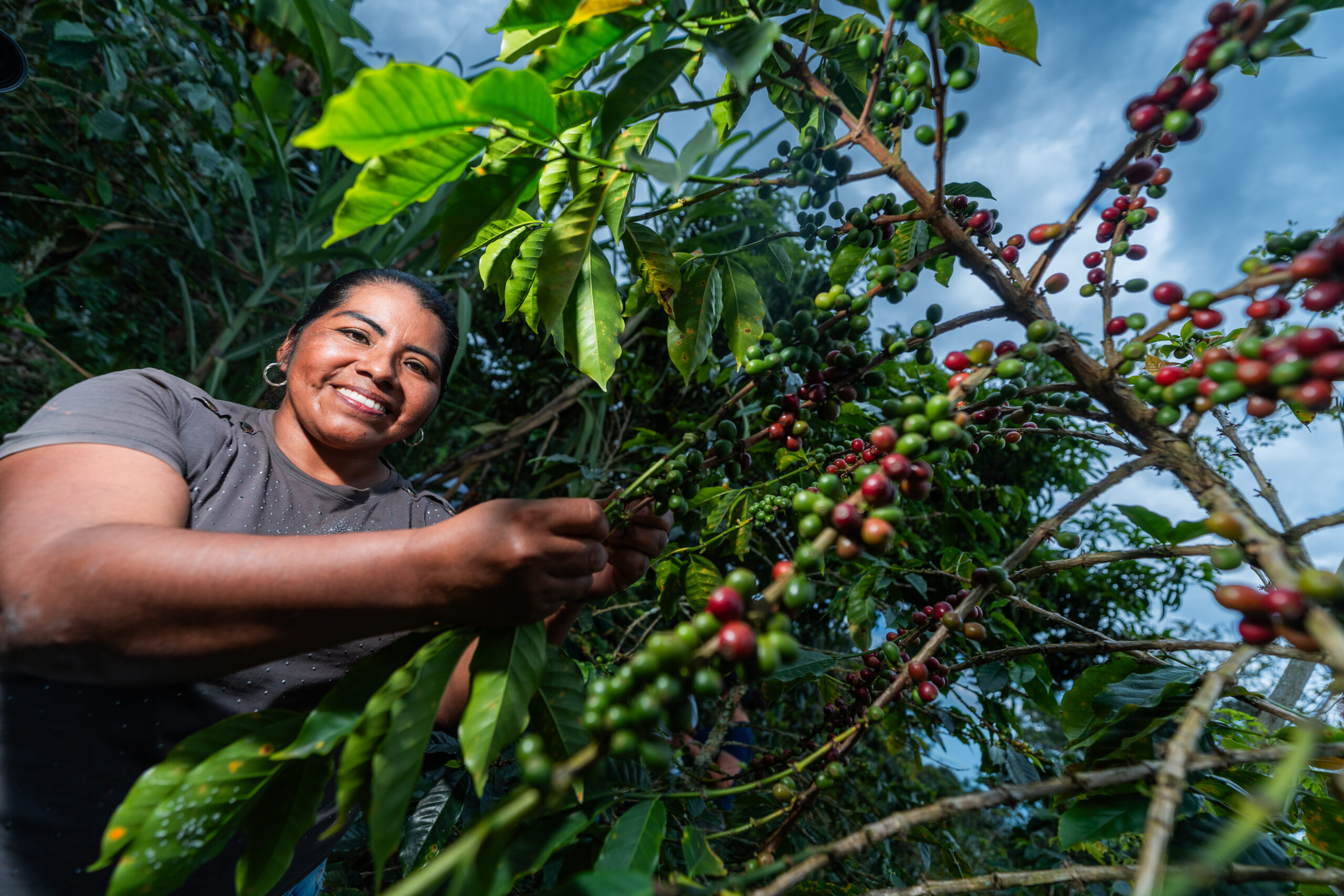
High-quality coffee produced by 103 smallholder coffee farmers from Miranda. Incauca has provided support for their participation in fairs and the commercialization of their products in the internal store. In 2023, a diagnosis was carried out to prioritize actions for their development.

Beneficio 1
Beneficio 1
Invertimos y creemos en nuestros colaboradores

Nombre de la actividad
Invertimos y creemos en nuestros colaboradores
Nombre de la actividad
Invertimos y creemos en nuestros colaboradores

Nombre de la actividad
Invertimos y creemos en nuestros colaboradores
Nombre de la actividad
Invertimos y creemos en nuestros colaboradores
Nombre de la actividad
Invertimos y creemos en nuestros colaboradores
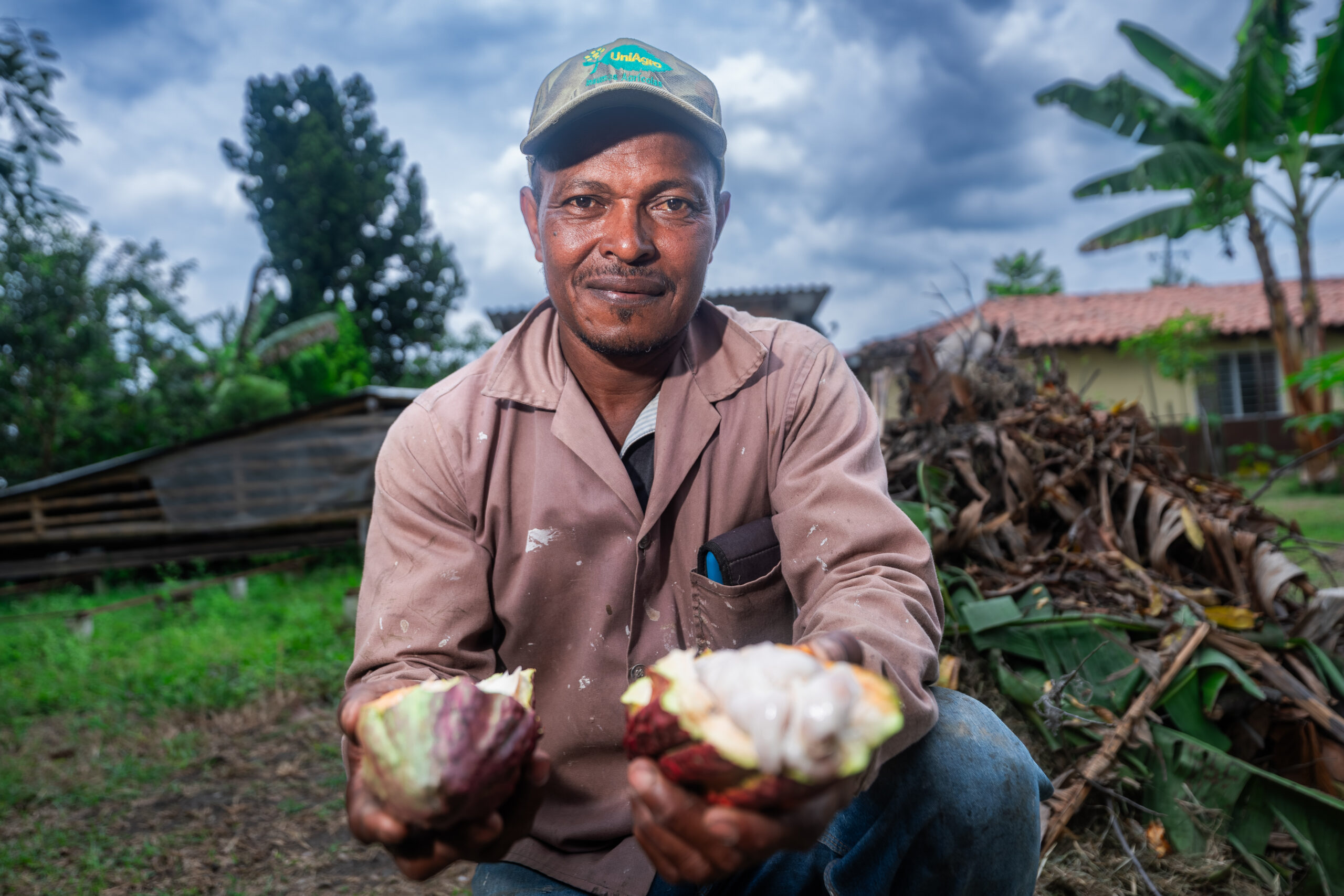
Chocotonga
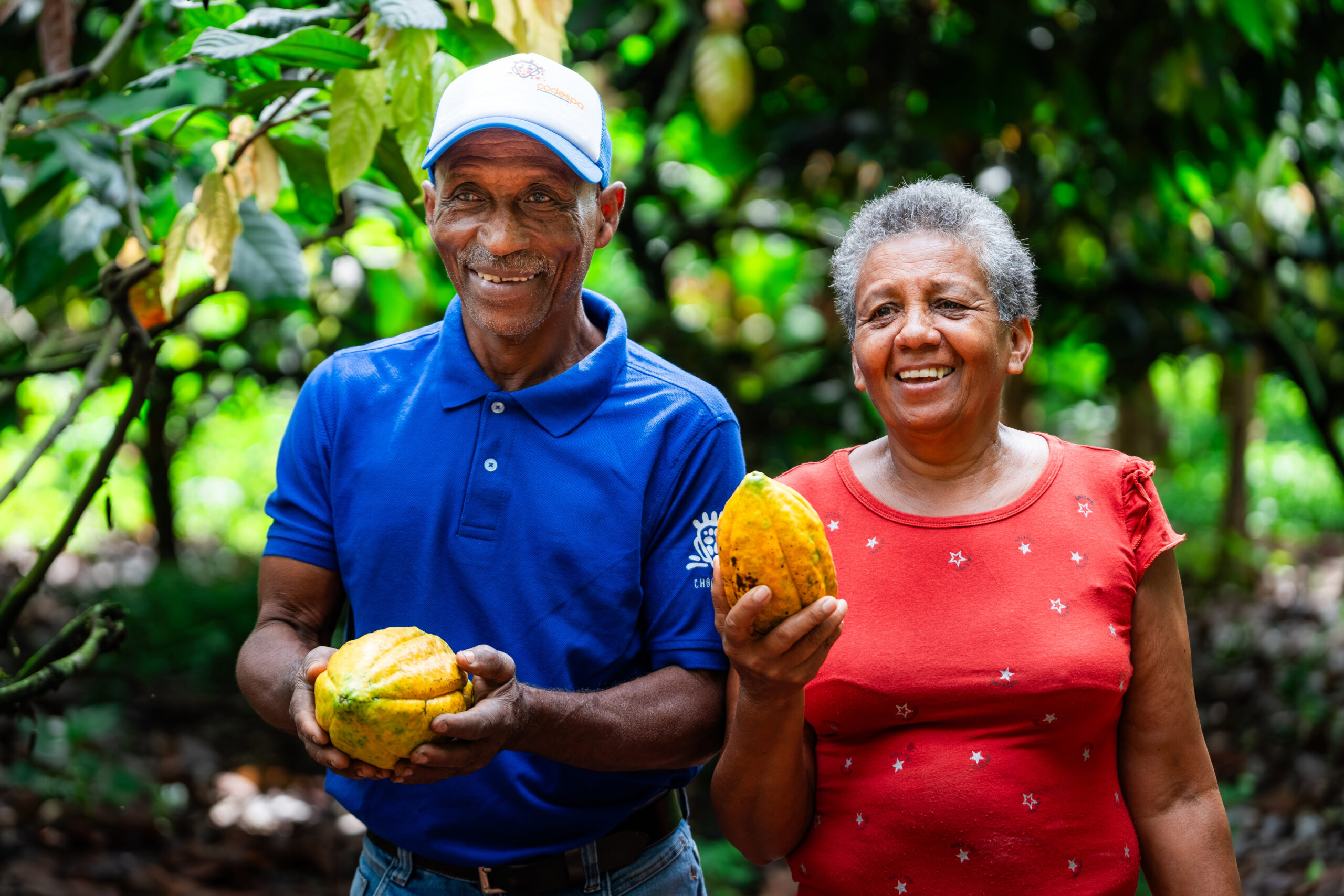
Located in Miranda, Agroindustria Cacaotera S.A.S. has received support from Incauca for the purchase of new packaging and the promotion of its products through audiovisual materials. Since 2022, its products have been available at Incauca’s Mi Tienda Ingeniosa.

Beneficio 1
Beneficio 1
Invertimos y creemos en nuestros colaboradores
Nombre de la actividad
Invertimos y creemos en nuestros colaboradores

Nombre de la actividad
Invertimos y creemos en nuestros colaboradores
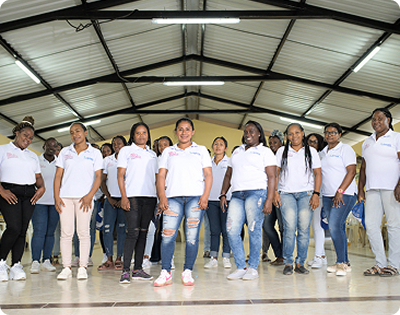
Women Harvesting the Future
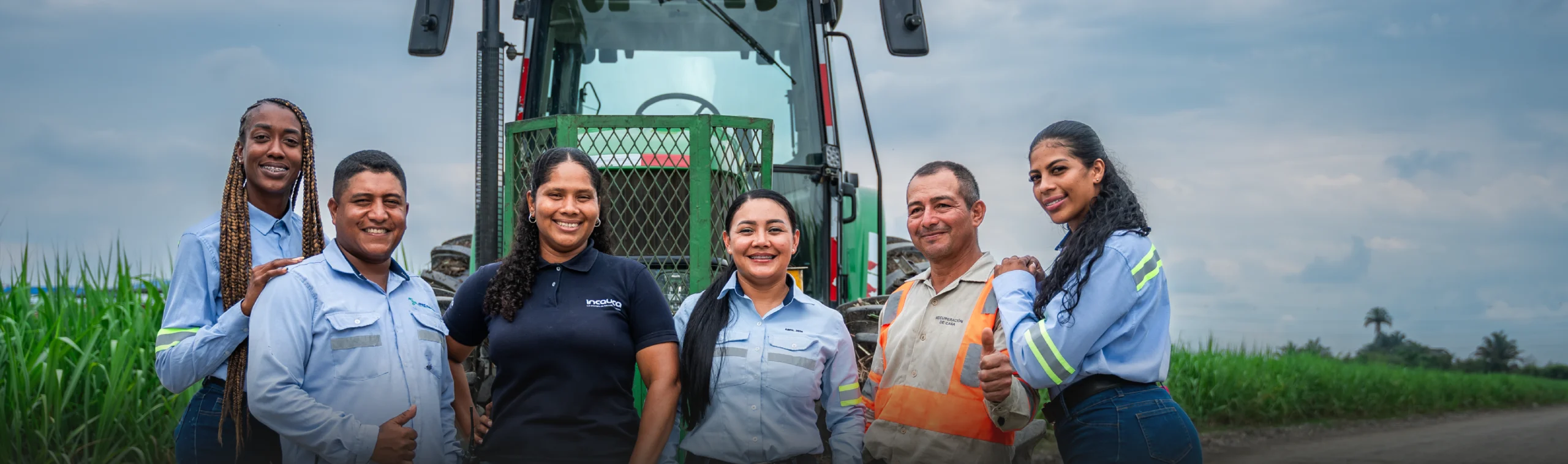
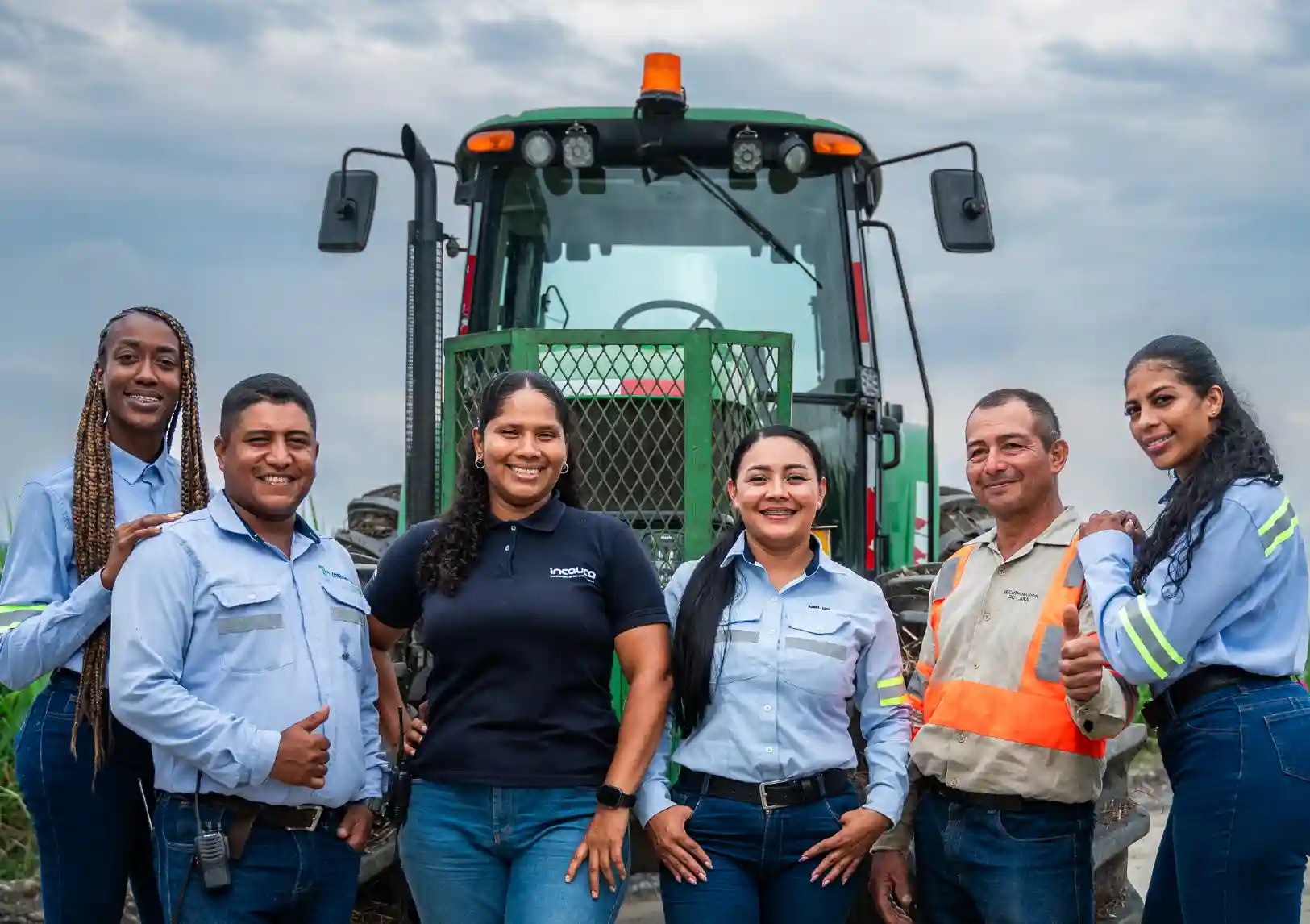
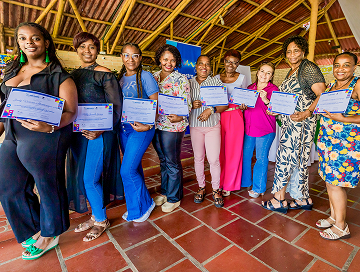
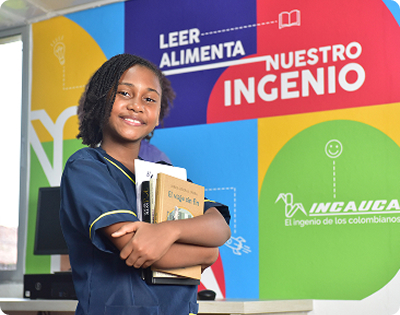
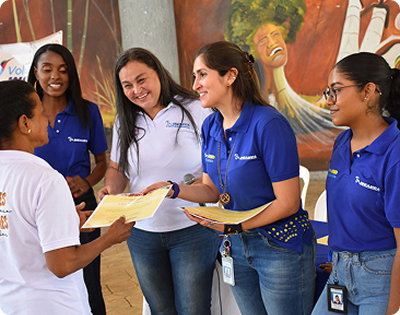
This project demonstrates the positive impact that initiatives like this have on labor inclusion. Through this educational program, carried out in collaboration with SENA, 28 women were certified in the use of agricultural machinery. Their success stories are the materialization of our commitment to reducing the gender gap in the labor and social spheres, recognizing the valuable contribution of women in the sector and providing them with the necessary opportunities for their personal and professional development.
Invertimos y creemos en nuestros colaboradores

Nombre de la actividad
Invertimos y creemos en nuestros colaboradores
Nombre de la actividad
Invertimos y creemos en nuestros colaboradores
Nombre de la actividad
Invertimos y creemos en nuestros colaboradores
Nombre de la actividad
Invertimos y creemos en nuestros colaboradores
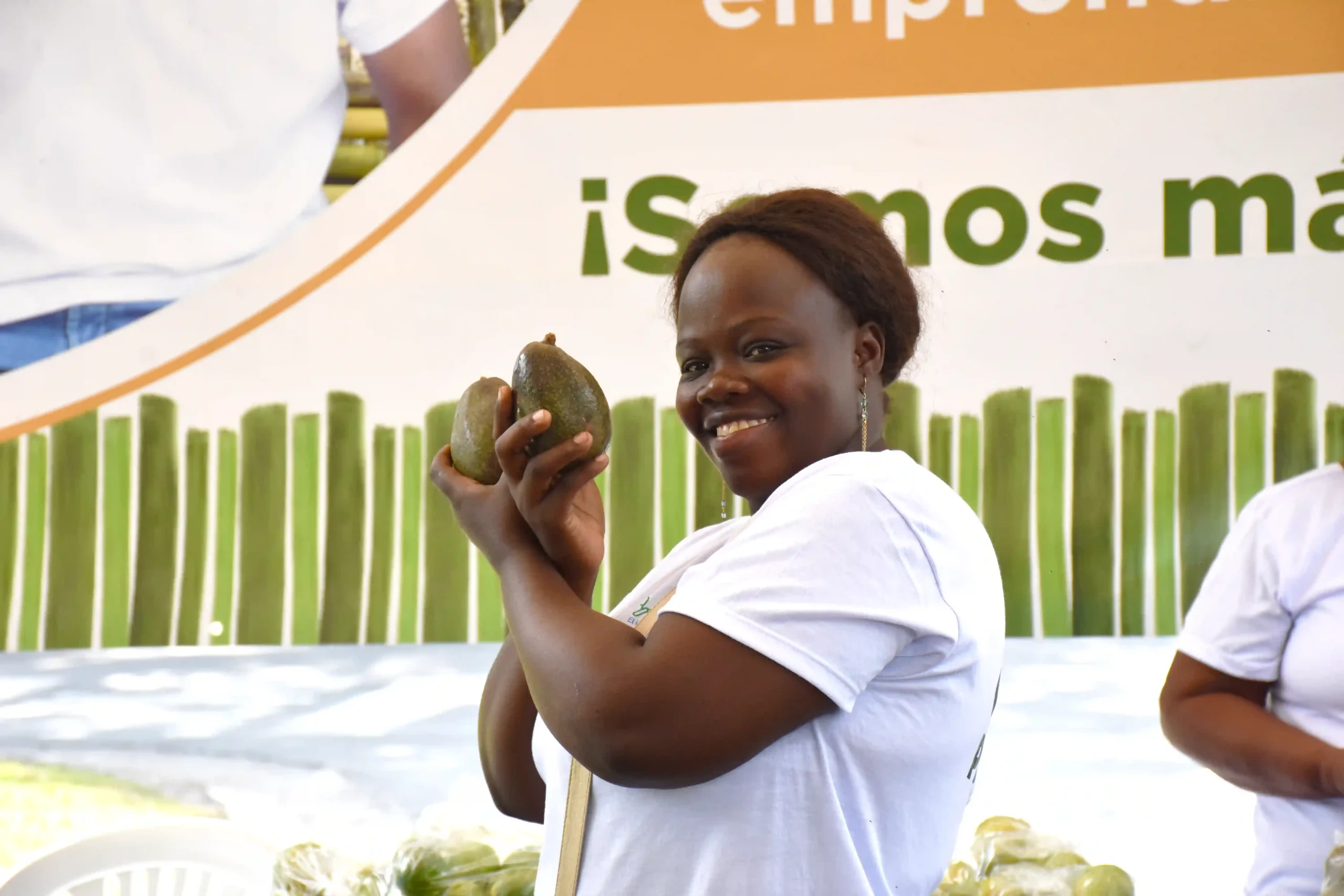
Farmers’ Market
This is an initiative that, since 2022, has opened a window of opportunities for small producers to sell their products within the Mill, gain visibility, recognition, and, above all, support their economy through product sales. The event is part of Asocaña’s Rural Commitment program, and in addition to the initiatives from neighboring municipalities, the Mill’s employees have also had the opportunity to share their business ideas.
Participación
Invertimos y creemos en nuestros colaboradores
Nombre de la actividad
Invertimos y creemos en nuestros colaboradores
Nombre de la actividad
Invertimos y creemos en nuestros colaboradores
Nombre de la actividad
Invertimos y creemos en nuestros colaboradores
Nombre de la actividad
Invertimos y creemos en nuestros colaboradores
Agricultural Systems Technician
We boost the economy and contribute to food security for the communities of the Unión Yarú Community Council in Padilla through technical training, support with seed capital (productive units), and integration into fairs and farmers’ markets. Forty people were certified in the first cohort, and with the establishment of the productive units, the average monthly income of the families increased. The second cohort will begin in the second semester of 2025.